Overview
Most iPhone accessories are passive. Cases protect the phone. Battery packs extend power. MagSafe wallets add storage. Backlid explores a more active accessory category: an intelligent rear display that can show content, mirror the screen, or create new interaction patterns.
Industrial Design & 3D Modeling
The project started with an obsession over the physical form. How thin can we make a secondary display without compromising the iPhone's ergonomics?
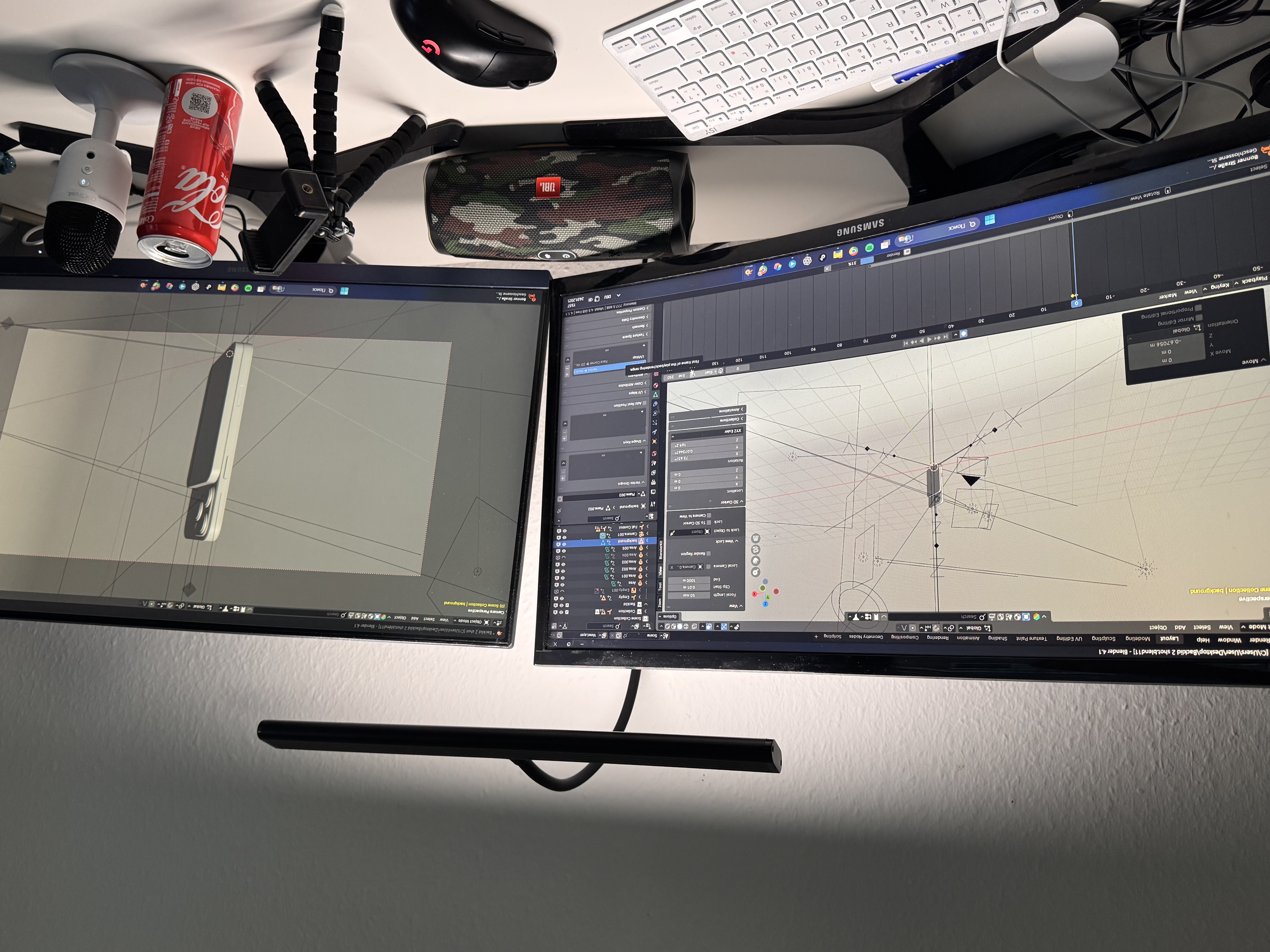
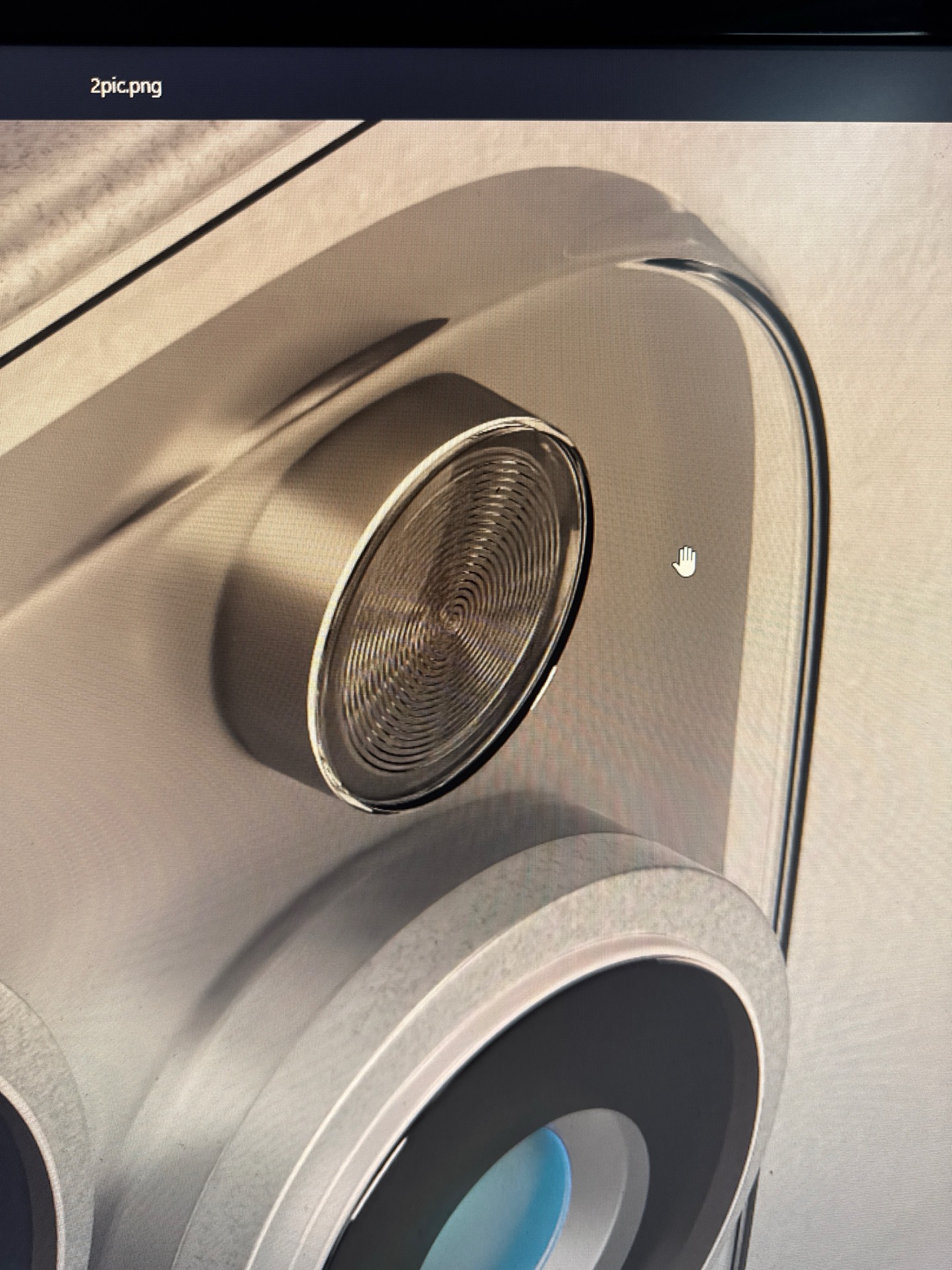
Hardware & PCB Engineering
Backlid isn't just a shell; it requires a custom embedded board with strict mobile constraints: limited power, thin component height, wireless connectivity, and a premium physical form factor.
Technical evolution:
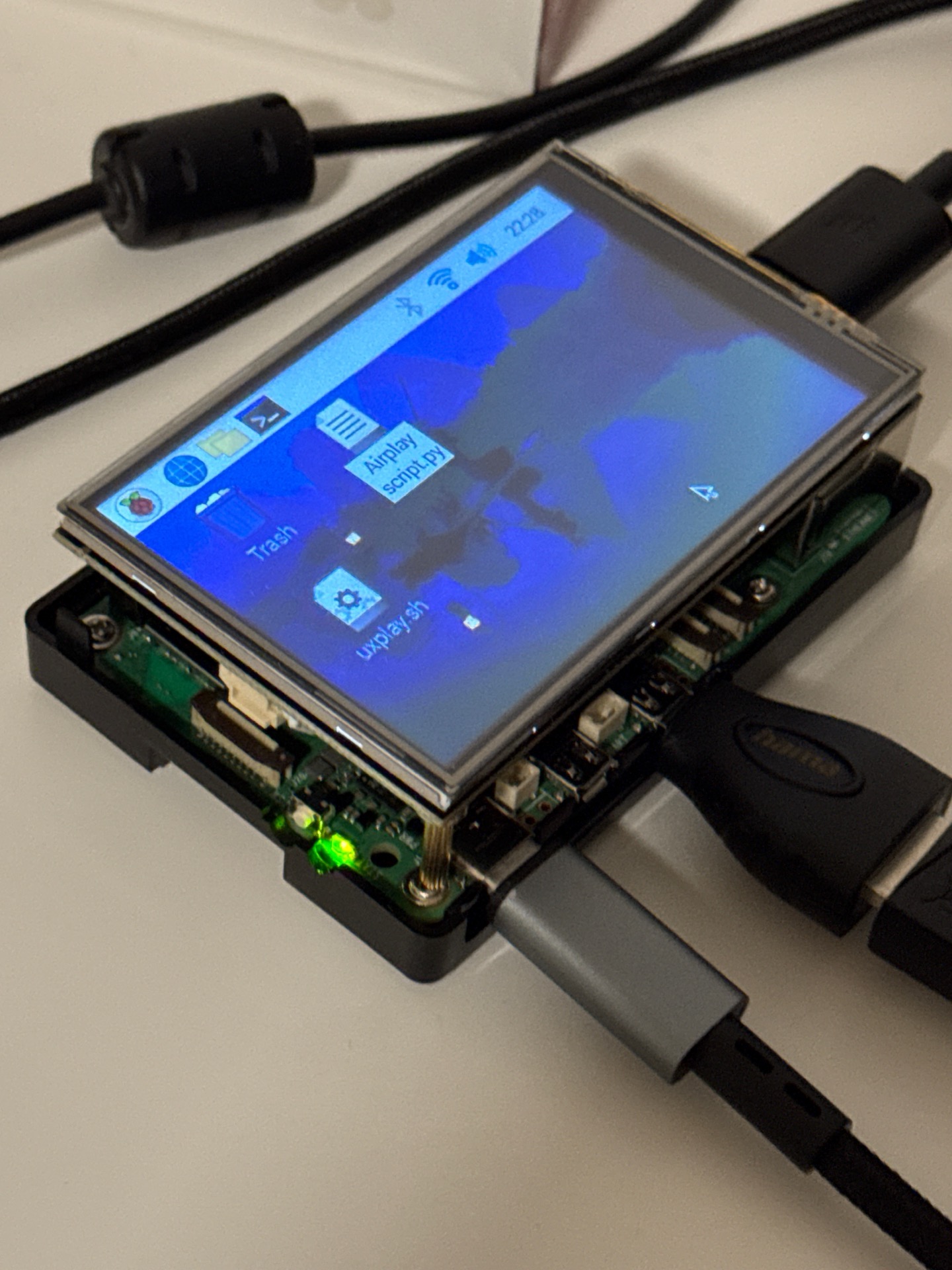
- Early Raspberry Pi prototype direction
- AirPlay / screen mirroring exploration
- Moved toward custom PCB design (KiCad / Flux.ai)
- Amlogic A311D2 and Rockchip RK3566 considered as compute options
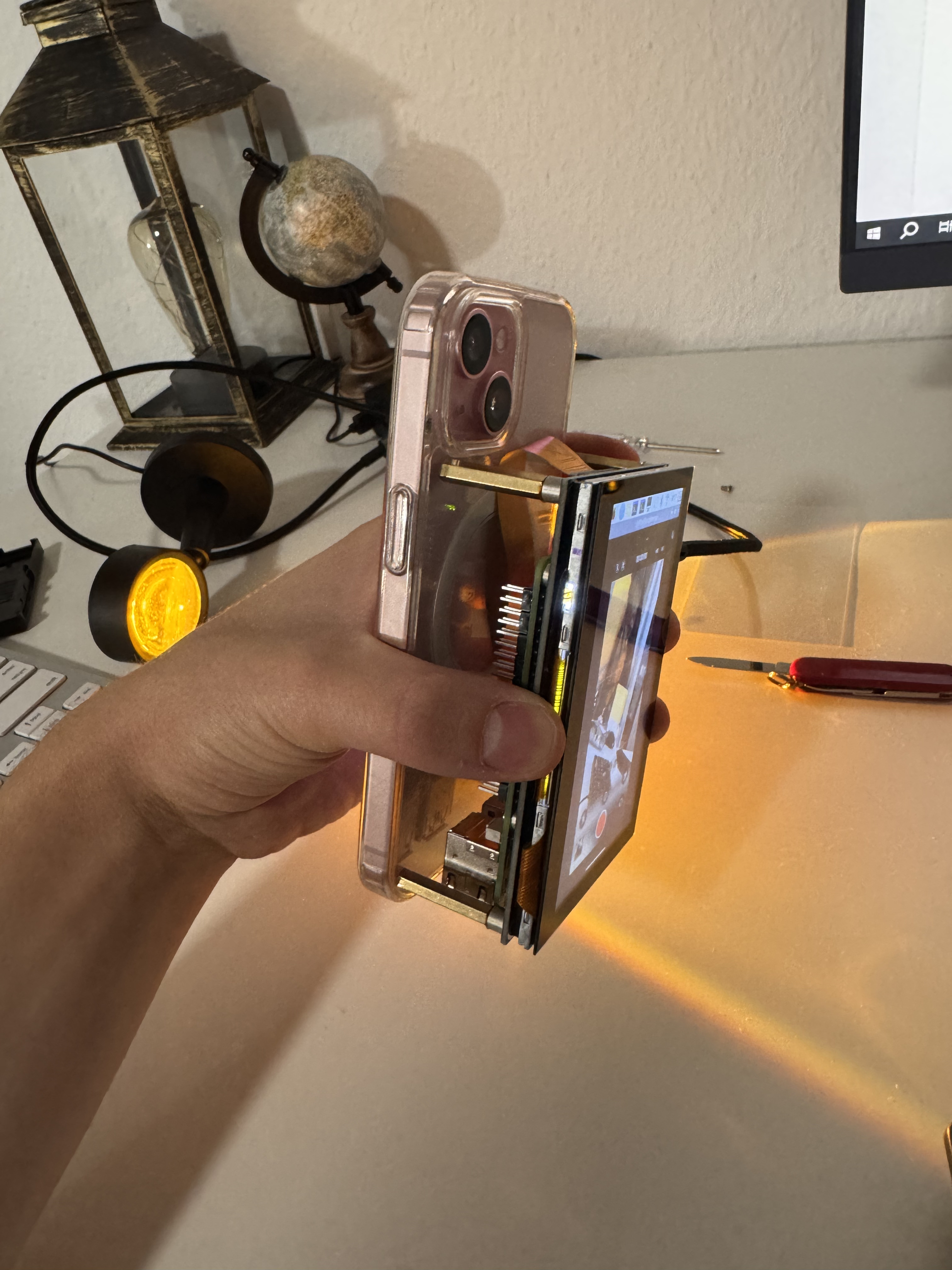
Prototype Photos
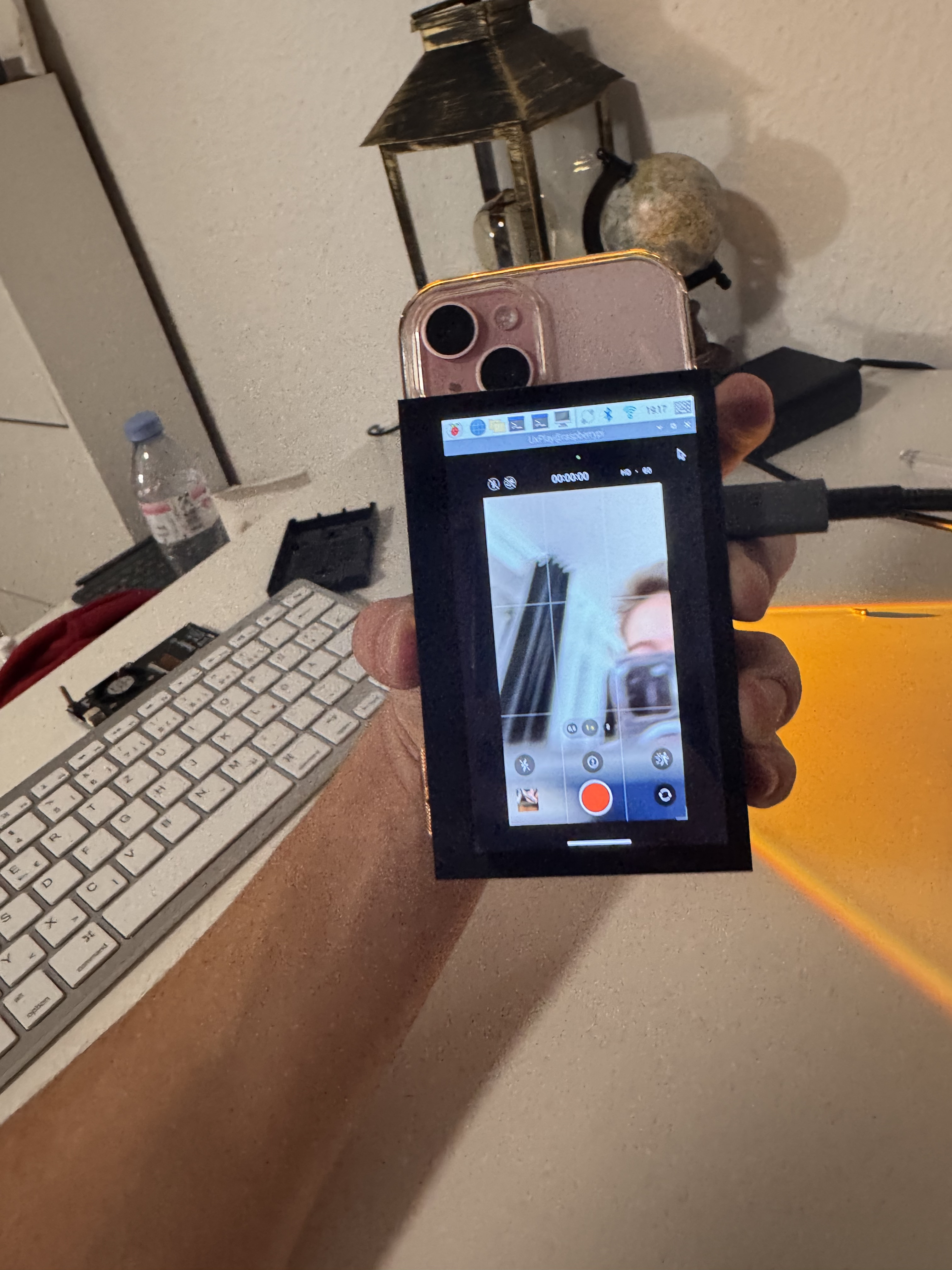
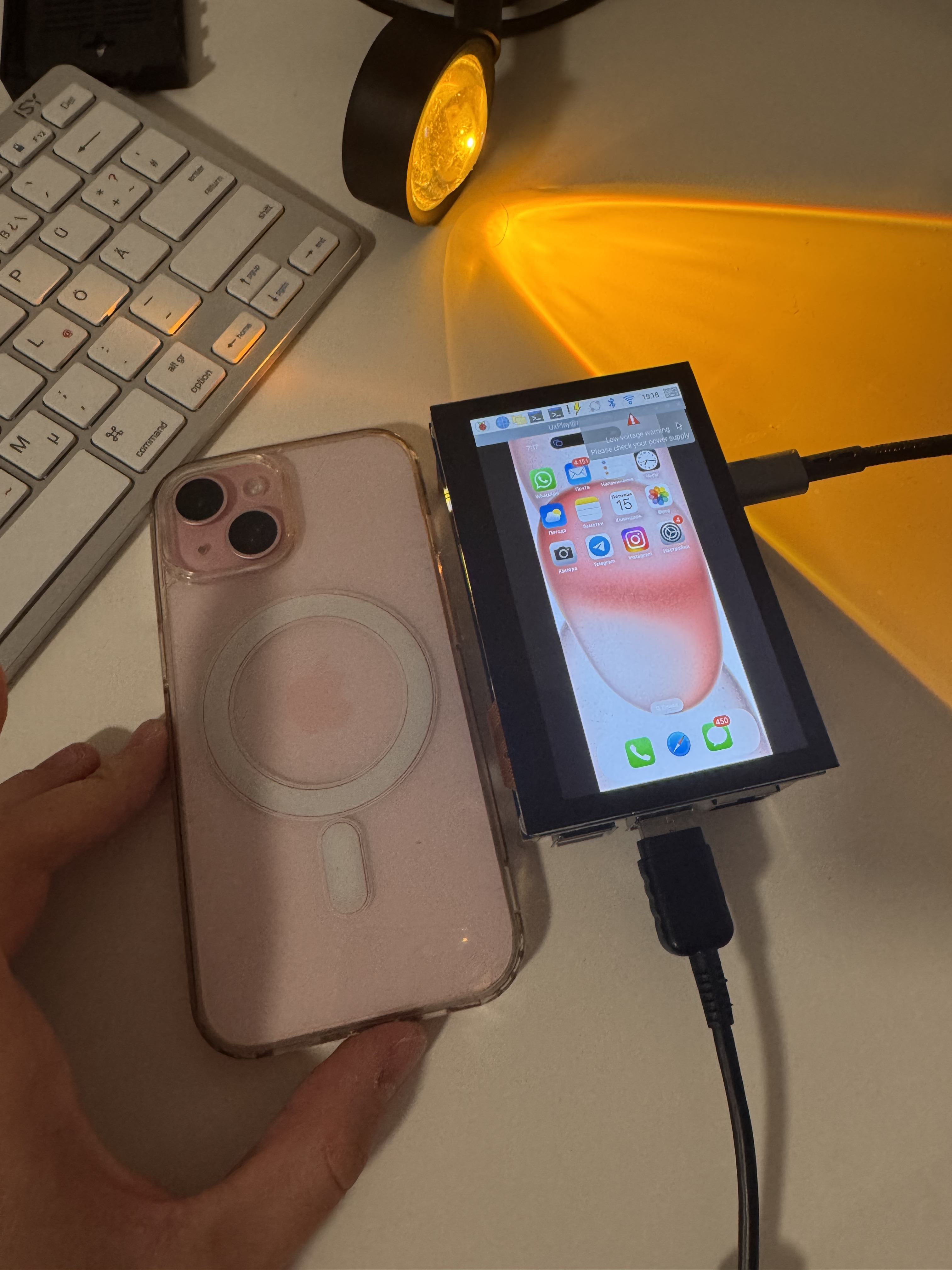
Constraints
Backlid is defined by its constraints because that makes it credible:
- Thin mobile form factor (~3.5 mm component height target)
- Limited power budget (~5–6 W)
- Heat management
- Touch display integration
- Wireless + USB-C connectivity
- Reverse wireless charging direction
- PCB shape matching iPhone-style rounded corners
- MagSafe coil area (55.8 mm diameter)
What Backlid Proves
The project shows the ability to work with physical product constraints, think in systems (display, power, compute, wireless, industrial design), and prototype ambitious ideas that sit between software and hardware.
Status
Experimental hardware prototype. Custom PCB exploration. Not a finished commercial product.
Questions? Contact via artem@artemkryv.com